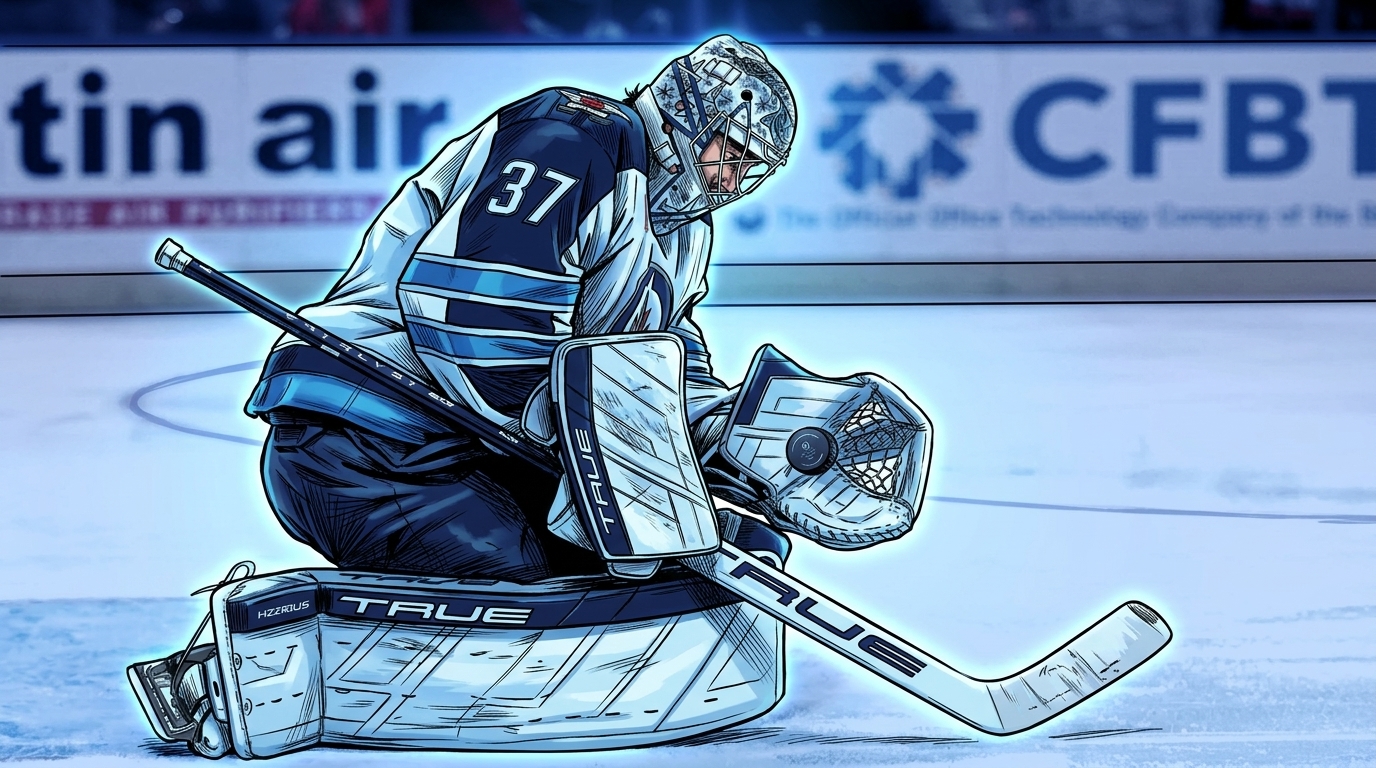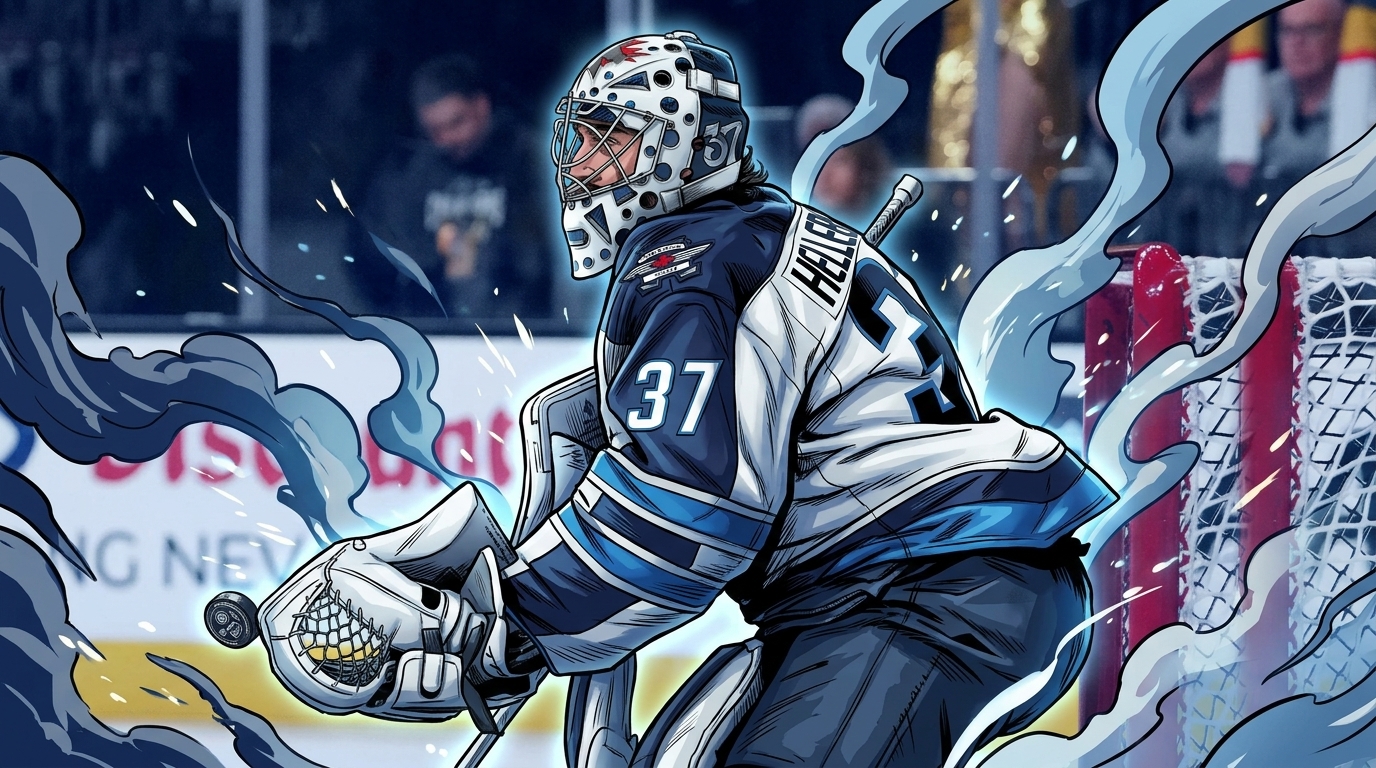

Toronto paid Florida’s asking price — the one Florida itself refused to pay.
That is the detail that should stop every Leafs fan cold. Sergei Bobrovsky wanted three years at $7M AAV to stay with the Panthers — that was his last ask of Florida, and Florida was not willing to go there. Florida, who won back-to-back Stanley Cups with the man, looked at his age and his .877 save percentage last season and said no. Toronto, who has won zero Stanley Cups in 59 years, said yes. The Maple Leafs will now cover Bobrovsky’s age-38, 39, and 40 seasons for $21 million total.
https://twitter.com/lukefoxjukebox/status/2072380956187484540
The .877 save percentage deserves its own paragraph. That is not a blip. That is the worst number of Bobrovsky’s career — and it happened behind an injury-depleted Panthers defense, which is the charitable read. The uncharitable read is that a 37-year-old goalie with 806 NHL regular-season games on his body had a decline season and then signed a three-year deal with a team built around the premise that this time will be different.
It won’t be.
The Leafs’ post-lockout goalie history isn’t a story about bad luck. It’s a methodology. James Reimer held a 4-1 lead in the third period of Game 7 against Boston in 2013 and found a way to lose 5-4 in overtime. Fredrik Andersen was perfectly adequate for five seasons and never won a playoff round. Jack Campbell was a strong regular-season goalie, got a $25 million payday in Edmonton, and became a punchline within eighteen months. Ilya Samsonov allowed six goals in Game 1 of a playoff series, later acknowledged mental blocks, and was gone by summer. Each one arrived with a reasonable rationale. Each one confirmed the same thesis: Toronto’s playoff pressure does not just reveal goaltenders. It dissolves them.
https://twitter.com/Sportsnet/status/2072380875686191449
Bobrovsky is a genuinely different tier of player than any of those names. Two Vezina Trophies. Back-to-back Stanley Cup titles with Florida in 2024 and 2025, posting a 2.26 GAA across 47 playoff games over those two runs. That resume is real. GM John Chayka called him a “game-changer” for stability and durability, and on paper the argument exists — if you squint past last season’s numbers, past the contract structure (the money front-loads signing bonuses precisely because the actual salary is negligible), past the fact that his best hockey came on a team whose defensive structure made everything easier.
The squinting is the problem.
I grew up watching the Phoenix Suns convince themselves, every few years, that one more piece would finally tip them over. It never did. The logic was always sound. The logic is always sound. The Leafs are not making an irrational decision by the numbers a front office is supposed to use. They are making an extremely rational decision in a framework that has produced the same outcome every time. At some point the framework is the issue.
Bobrovsky may hold a strong GAA through February and look like salvation. The bet Toronto just made is that he still looks like salvation in May, at 38, when his legs have absorbed a full regular season and the second-round pressure arrives. Florida declined to make that bet for $21 million. There is a reason the NHL free agency circus moves fast on July 1 — teams pay for what a player was, not what he is about to become.
The Leafs have paid for what Bobrovsky was three seasons ago.