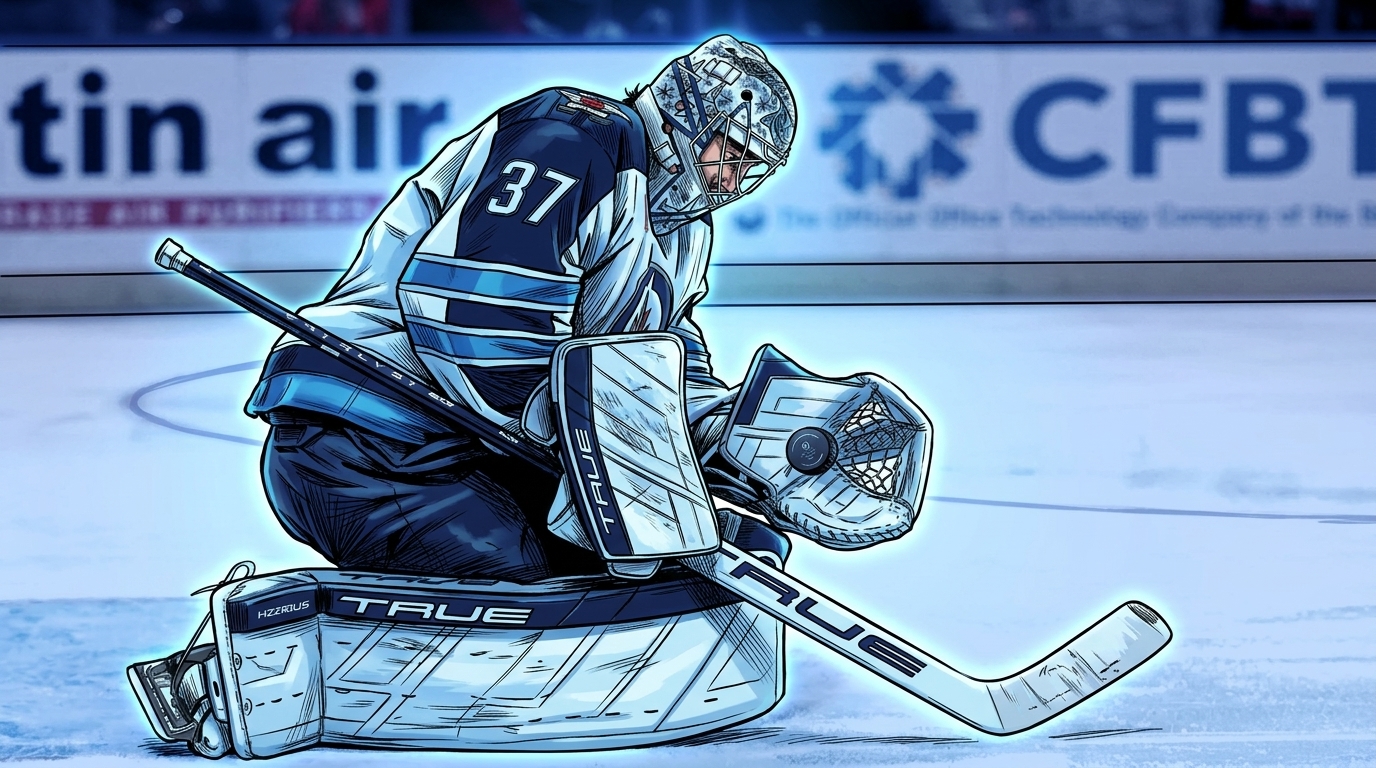
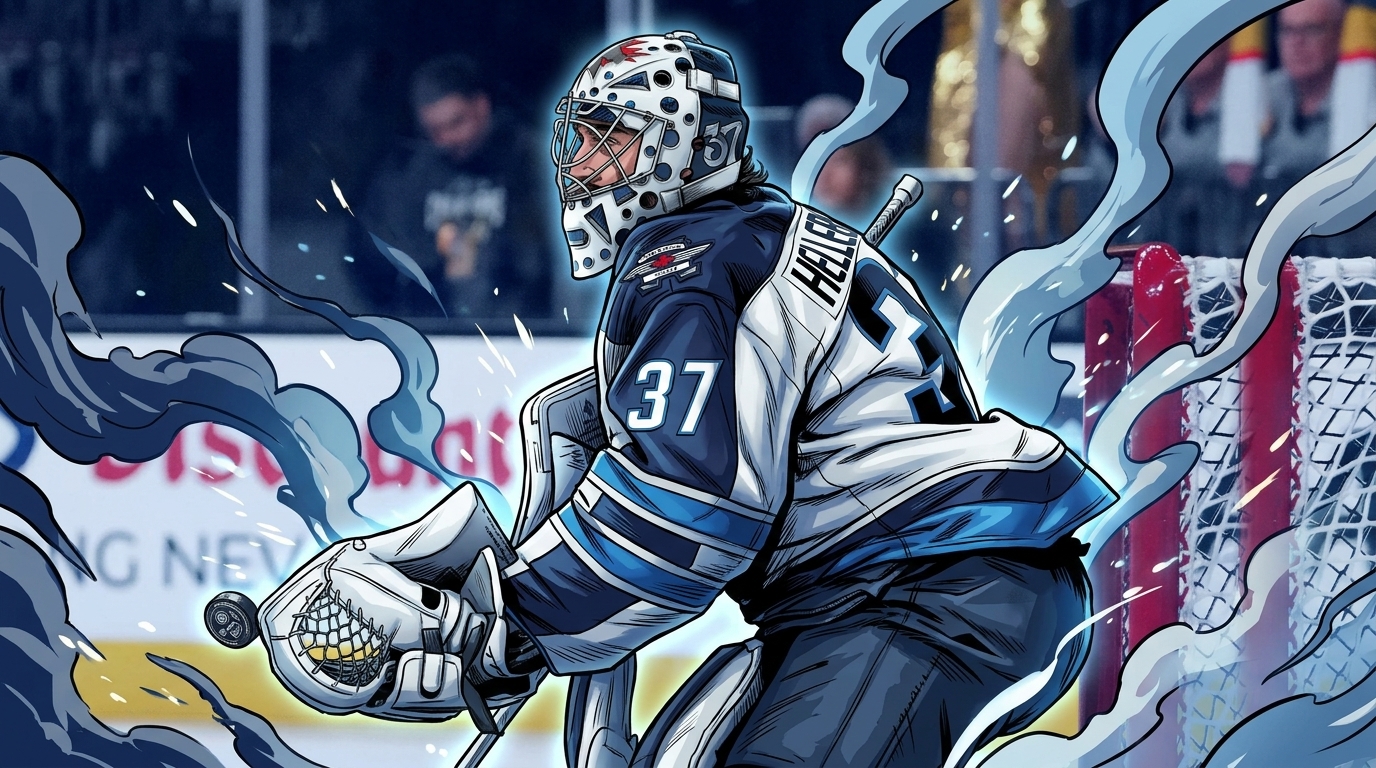
Rod Brind’Amour watched his goaltender allow five goals on 21 shots against the Montreal Canadiens on Wednesday — the same Canadiens who have beaten that same goaltender three straight times this regular season at a .789 save percentage — and emerged from the experience more confident than ever in his starter. This is either the most admirable display of coaching conviction in this postseason, or it is the most preventable decision anyone makes between now and the Stanley Cup Final. It is possibly both.
The full picture from Game 1 is at least coherent, if not comforting: Carolina dominated possession at 61.9% shot share at five-on-five, Seth Jarvis scored 33 seconds in, and the Hurricanes still lost 6-2. Five breakaways surrendered. Four consecutive goals against in the first period. Andersen was pulled mid-game, finished the night wondering what just happened, and will start again tonight at 7:00 PM.
https://twitter.com/Canes/status/2057261478806237336
Brind’Amour, asked about the decision, was characteristically precise:
“This game wasn’t on him at all. Freddie is pretty calm. One of his strengths is that he’s able to just move on.”
He went 8-0 in the first two rounds of these playoffs. One of his strengths is that he’s able to just move on.
The thing is, Brind’Amour is not wrong about Andersen’s résumé. The playoff numbers — 1.12 GAA, .950 save percentage, two shutouts, eight consecutive wins — are genuinely impressive, and they came against teams that were not the Montreal Canadiens. Andersen’s numbers against Montreal this season exist in a separate, much darker column: 0-3, twelve goals allowed on 57 shots, a .789 save percentage across three regular season games. These are not sample-size concerns. That is a trend with a name on it.
Brind’Amour considered the alternative — backup Brandon Bussi, who went 31-6-2 in the regular season and won the team’s MVP award — and declined. The other option, Pyotr Kochetkov, is scratched after surgery; Brind’Amour described him as “even colder” than Bussi. This is a reasonable constraint. What is less reasonable to reason through is this:
“I thought (about changing goalies) maybe for a second, just to give him a breather, but he’s had a ton of rest, so it’s actually the opposite.”
The argument, stripped down, is that Andersen should start because he has been resting. The Montreal Canadiens, who have scored on him at a .211 clip this season, are presumably not persuaded by this logic.
To prepare for Game 2, Brind’Amour held a no-ice practice. The Carolina Hurricanes, entering a must-answer game in the Eastern Conference Finals against the team that just shelled their starting goalie, skipped the ice entirely. This is a coaching philosophy — you cannot argue with it on the merits because there are no merits available to examine. It is a vibe. It is loyalty presented as strategy.
Jarvis, for his part, identified the actual problem with reasonable clarity: “Anytime you give up five breakaways in a game, there’s something going on. It’s just tightening it up.” This is the kind of sentence that sounds simple and is actually the whole story. The breakaways came. Andersen faced them. The puck went in a lot.
Brind’Amour’s loyalty vs. what the data says arrives at this: “I’m really confident we’ll be better.” He has been a very good coach for a very long time and this is not a nothing statement. But confidence is not a save percentage, and Andersen’s numbers against this particular opponent suggest that Game 2 tonight is either the moment the narrative flips back, or it is the moment everyone in Raleigh begins calculating how many wins Bussi needs to warm up.
One of those outcomes is great. The other one was, technically, predictable.