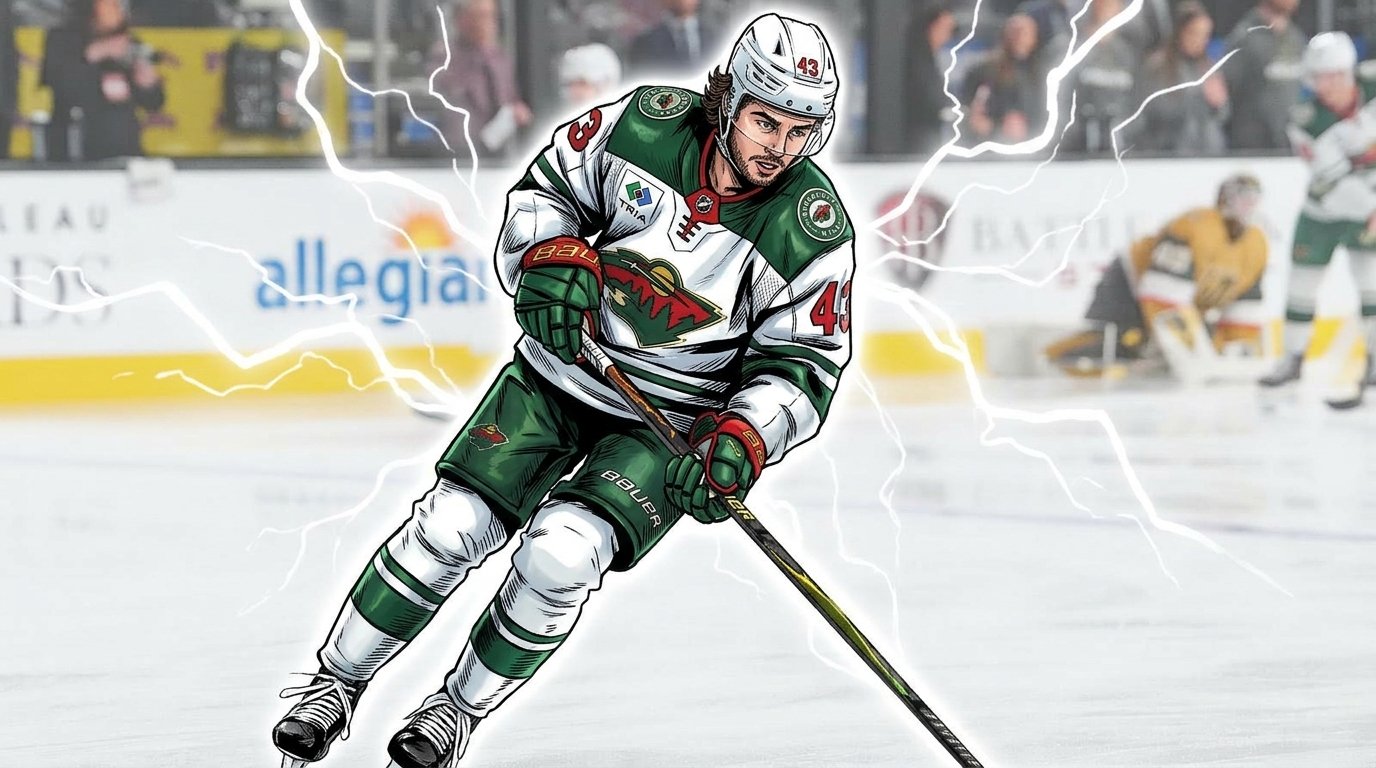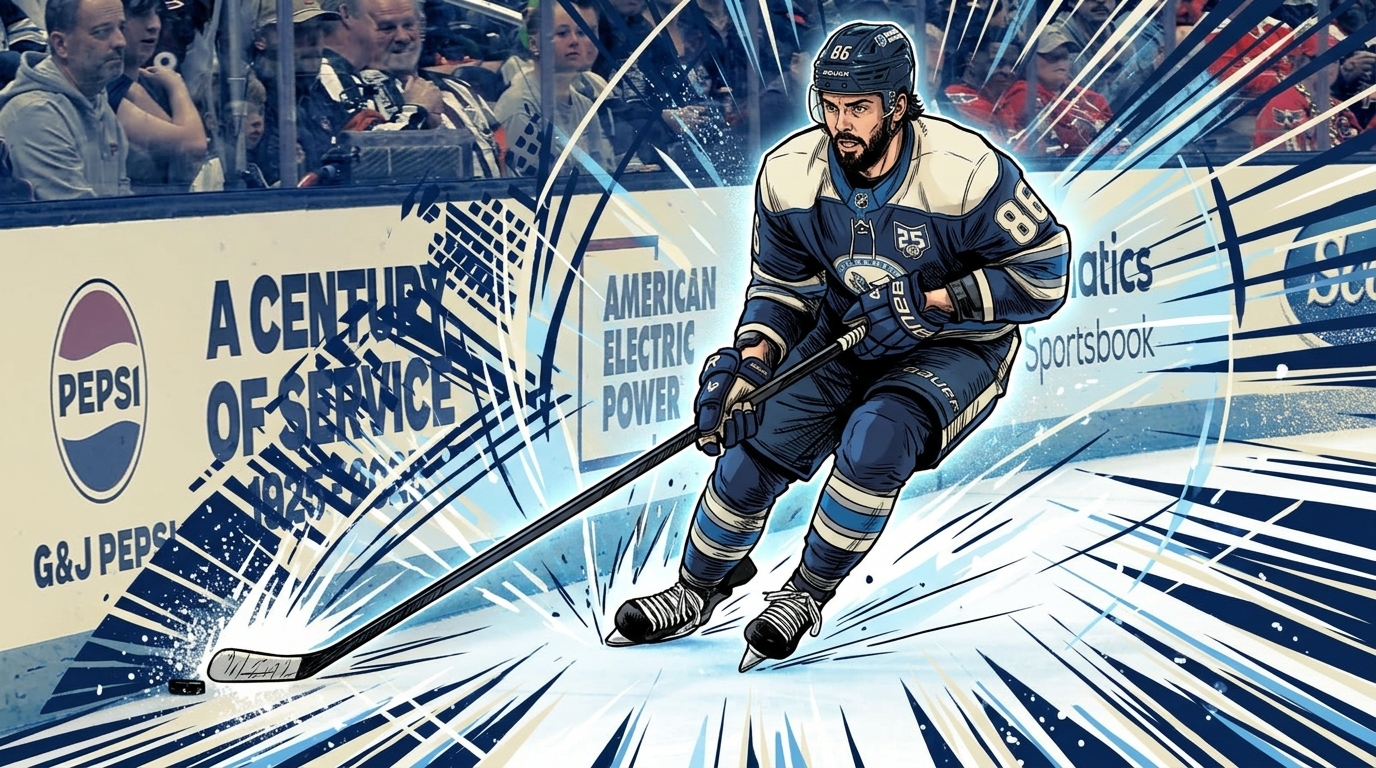

The Washington Capitals acquired Alex Tuch from the Buffalo Sabres on June 24, and nobody threw a parade — which is exactly why this front office is finally operating correctly.
Elliotte Friedman (Sportsnet) broke the deal: a sign-and-trade, with Buffalo signing Tuch to an 8-year, $84M extension before shipping him out for a 2027 third-round pick and David Kampf. Washington got what Buffalo took back without surrendering a top prospect or a first. The price was light. The asset is not.
https://x.com/Capitals/status/2069928556486926388
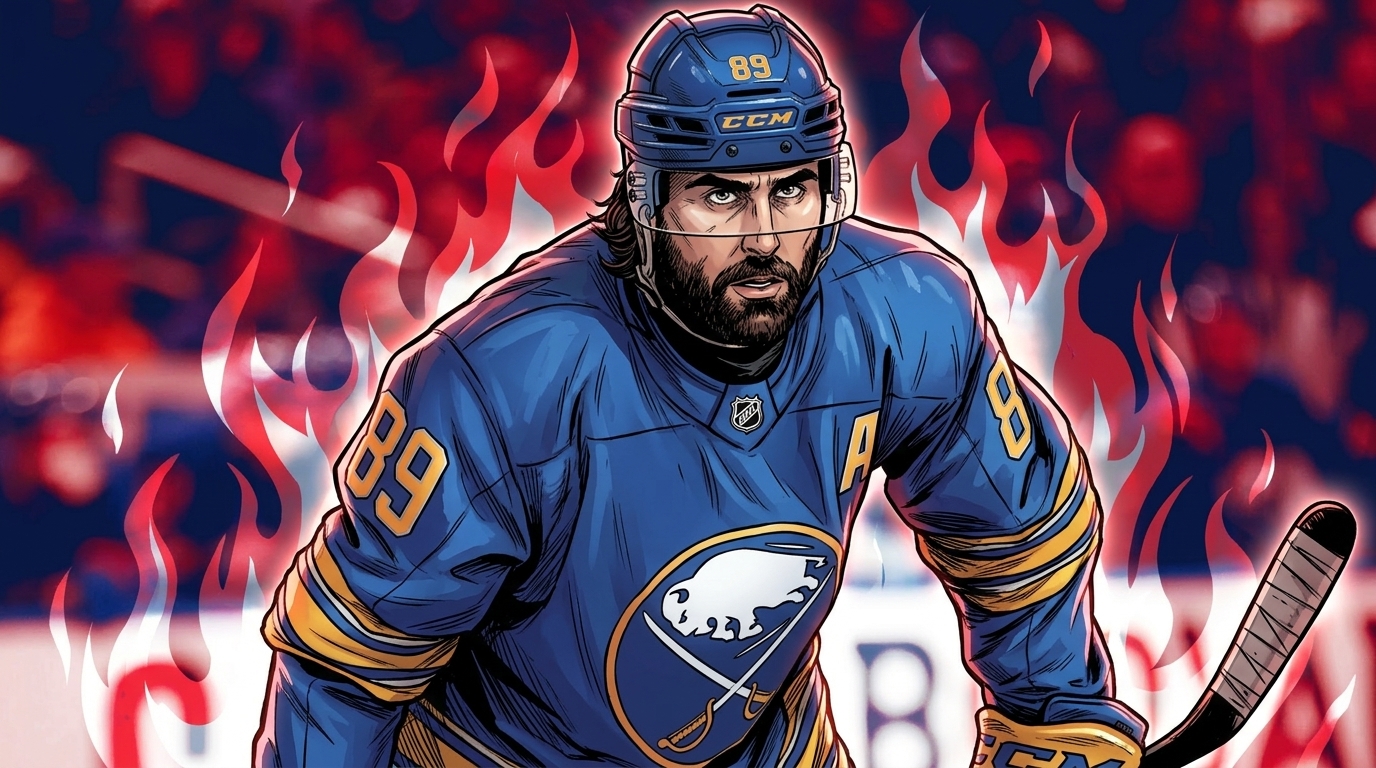
Tuch is 30 years old and coming off the best season of his career: 33 goals, 33 assists, 66 points in 79 games with the Sabres, a +24 plus/minus on a team that missed the playoffs again. He’s a power forward who finishes, kills penalties, and makes the people around him harder to play against. He wore #89 in Buffalo. He’ll wear something else in Washington. The substance doesn’t change.
What makes this move land harder is the one that came the day before. On June 23, the Capitals traded Connor McMichael, a prospect, and a first-round pick in the 2026 draft to St. Louis for Jordan Kyrou. Two power forwards in two days. Neither acquisition got a splashy press event. Both fundamentally alter what this team looks like.
This is the part where a skeptic has standing. Tuch’s $10.5M AAV is steep for a player who has never eclipsed the 66-point mark before this season. One good year shouldn’t move eight years of cap space. And the biggest variable in the entire equation still hasn’t made up his mind. Alexander Ovechkin is a UFA after his 5-year, $9.5M deal expired. He turns 41 in September. He has said publicly throughout spring 2026 that the decision depends on how his body feels, and that he’d “probably not” play anywhere else, which is a different calculation entirely. Washington is building a contender around a man who hasn’t confirmed he’s coming back.
That’s real risk. It’s also the only risk that makes sense to take.
The Capitals already have Tom Wilson, Pierre-Luc Dubois, Dylan Strome, Ryan Leonard, and both Protas brothers. They didn’t need more youth. They needed proven production beside it. Tuch and Kyrou give them a second line, maybe a first depending on how you arrange things, that can win hockey games in April without leaning on number 8 to do everything. If Ovechkin comes back, this roster is legitimately dangerous. If he doesn’t, Washington is still a playoff team with a real identity instead of a fading brand coasting on legacy.
I keep coming back to the fact that there’s a roster spot waiting here, not a desperation signing built around one man’s return. That’s the shift. The old Capitals operated like Ovechkin was the plan. This front office is building something that works whether or not he shows up. The door stays open either way.
The comparison that keeps surfacing in my head is Larkin’s trade demand from Detroit — a franchise trying to retrofit a contender around a player whose best years may already have happened. Washington avoided that trap by building depth first and letting the legend decide on his own timeline.
Two trades. No fanfare. A plan that holds regardless of what happens in July.
That’s what a serious front office looks like — and the Capitals haven’t looked like one in a while.