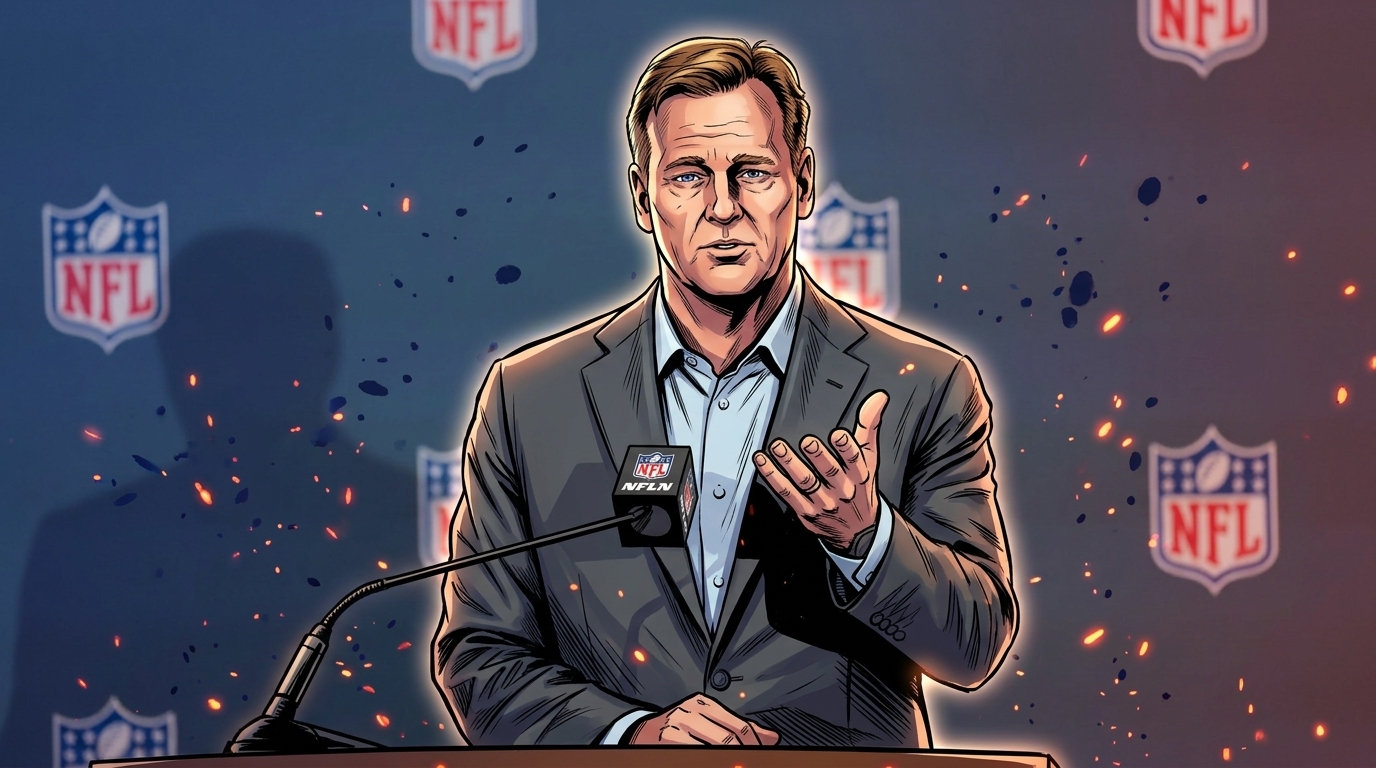

Steve Keim spent ten years running the Arizona Cardinals front office, and last November a company called Motion Ventures put his name on a pitch deck as “chief operation/growth officer” and let that title do all the selling a fake e-commerce business could never do on its own. That’s the whole scam in one sentence: a résumé stood in for a business plan, and people who had every reason to trust that résumé handed over six and seven figures because the guy who used to run an NFL team was apparently vouching for it.
I keep coming back to Tae Crowder. Former Giants linebacker, grinding now in the UFL, a guy whose whole career has been getting cut and re-signed by teams that treat him as disposable. Tae Crowder lost his entire $500,000 savings on this thing. Not a bad crypto bet, not a fantasy football side pot gone wrong. His whole cushion, wired into a company selling storefronts with hand-faked sales numbers, because, in his own words, he’d “seen him hanging out with a bunch of different guys that I knew.” That’s not carelessness. That’s the exact kind of trust athletes are trained to extend inside their own circle, and somebody used it as a weapon.
Strip away the pitch-deck language and here’s what actually happened: Mohamed Coulibaly ran Shopify storefronts and manually built the sales dashboards investors were shown, according to reporting from The Shadow League and NBC Sports. The stores weren’t profitable. The dashboards were bullshit, hand-typed to look otherwise. Nobody who mattered checked, because Steve Keim’s title did the selling, not the fake sales dashboard buried three slides into the deck. Matt Breida put in $250,000 through what he was told was an escrow structure and got nothing back despite the contractual guarantees attached to it. A third former player, unnamed in the reporting, is out somewhere between $675,000 and $925,000. Add it up and you get three former NFL players out more than $1 million combined, on a company that was faking its own receipts the entire time.
Then there’s the detail that should worry people more than the dollar figures. Seattle Seahawks GM John Schneider, an actively employed general manager doing the exact job Keim used to do, also invested and also lost money in the same scheme, confirmed by a team spokesperson. Once a sitting GM can’t spot it, “these guys should’ve done more homework” stops being a useful sentence.
Keim says he never took a salary or insurance from Motion Ventures and describes a seven-figure loss of his own. Maybe that’s true. But “I didn’t know” is a weak-ass defense for a guy whose entire career was built on knowing things, and lending your name to a company’s leadership page isn’t a passive act. You don’t get to claim total surprise when that name goes out and recruits other people’s money. A title on a slide is doing work. Keim’s did plenty.
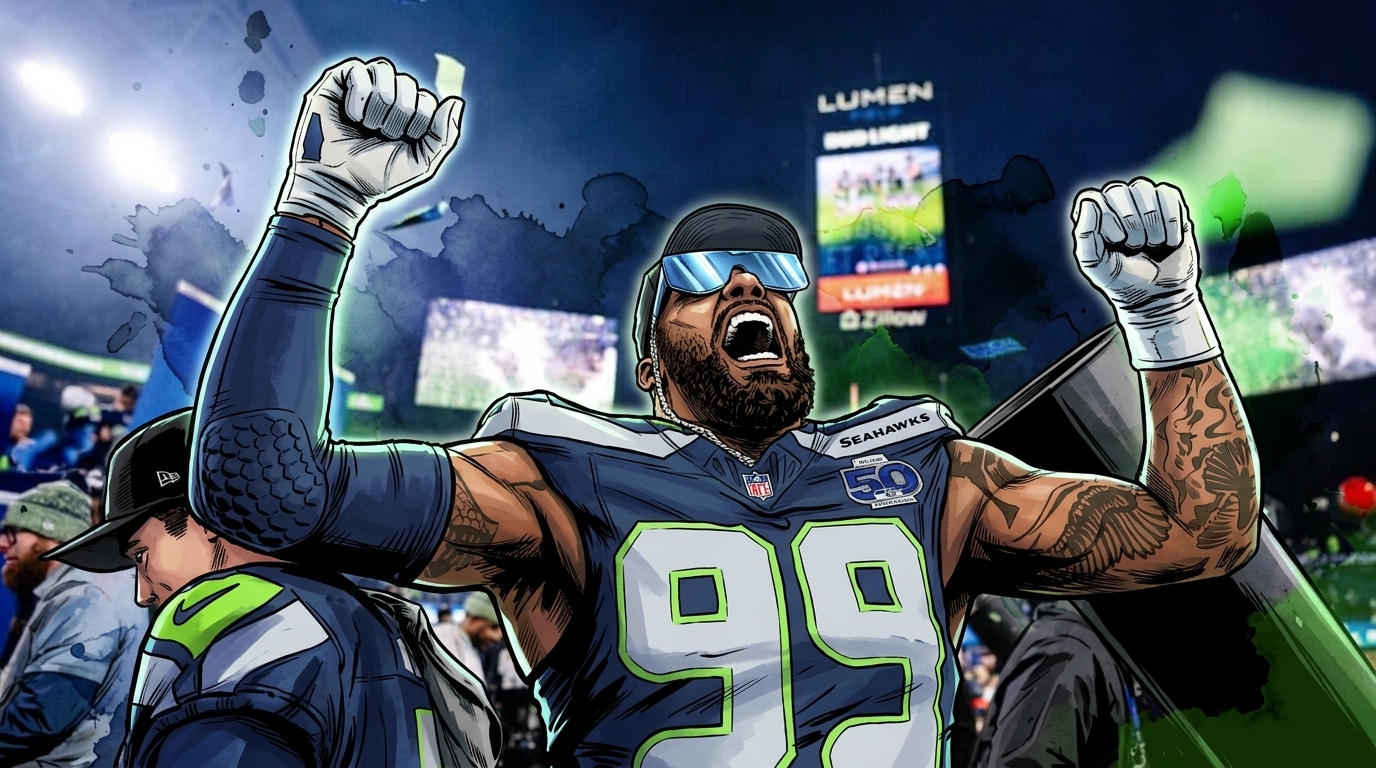
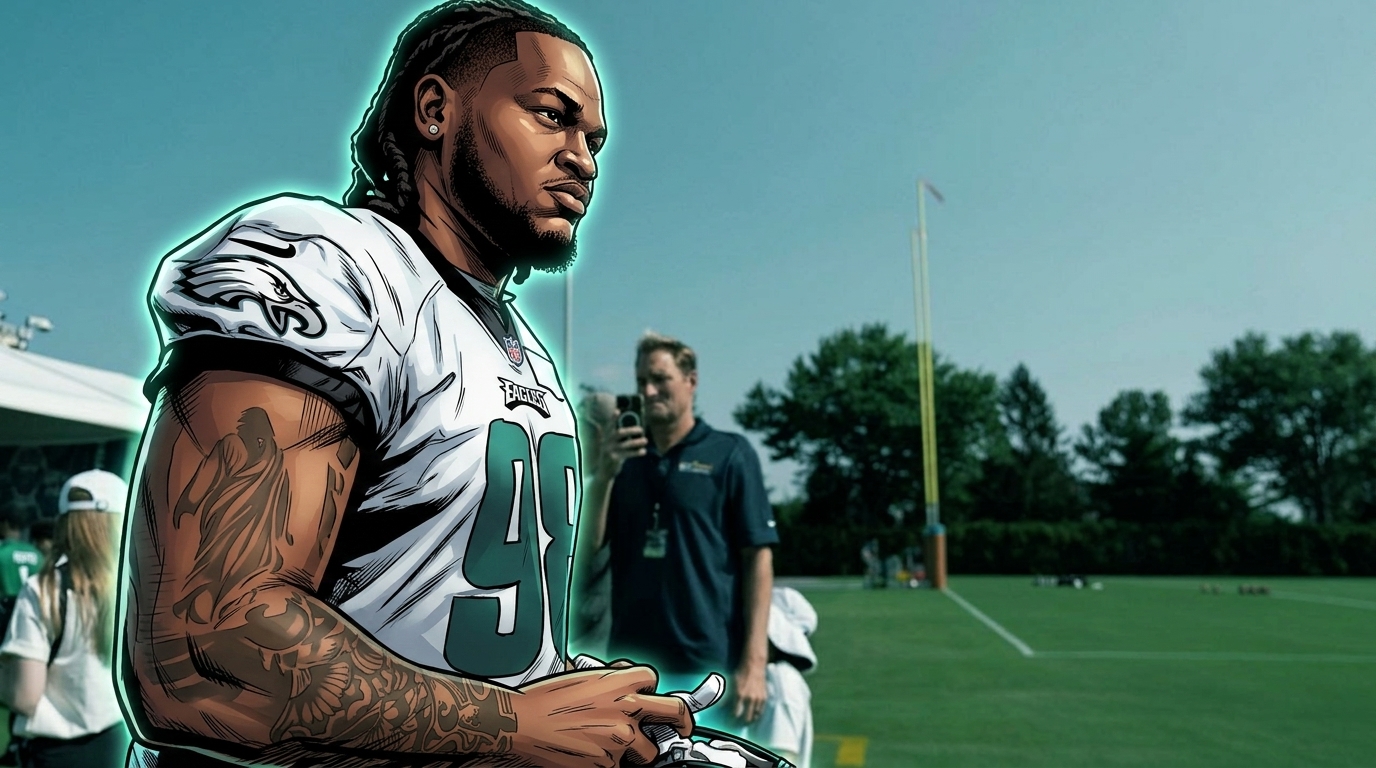
And this is where it gets uglier, separate from the money entirely. The same pitch deck listed Jalen Carter, Nakobe Dean, other Philadelphia Eagles players, and Schneider as “notable clients and partners.” Jalen Carter’s name was on the pitch deck without his say — multiple outlets report it’s unclear these players even knew they’d been listed, and NBC Sports found no indication any of them authorized it. Nobody has reported Carter or Dean putting a dollar into Motion Ventures. What got used instead was their names, sitting on a slide next to Keim’s, borrowing the shine off a player who just signed the $106 million guaranteed contract Carter signed this summer to make an unrelated scheme look plugged into NFL circles. Stealing a name is a smaller crime than stealing a life’s savings. It’s also a preview of how cheap athlete likeness has become to borrow when nobody bothers asking first.
Coulibaly’s deleted Instagram feed reportedly showed friendly comments from former NFL safety Terrell Edmunds, one more layer of the same trick: proximity to real players standing in for actual legitimacy.
None of this is unfamiliar territory for that building in Arizona. This is the same organization that had a Cardinals front office exec who got suspended for leaking draft picks and betting on games, so credibility laundering can go on the list of things that has trailed the place.
Watch how fast the distinction disappears once it hits social media:
https://x.com/ComplexSports/status/2086908710711161280
“Lost money” is doing a lot of work in that post. Carter, Dean, and Edmunds got named. Crowder, Breida, and that third ex-player got robbed. Those are not the same sentence, and collapsing them into one is exactly how a pitch deck with a fake sales dashboard managed to look legitimate in the first place.
Before any of this got resolved, Coulibaly disputed the reporting to the New York Post, saying he’d “strongly dispute a number of the factual assertions.” Then, on July 31, weeks after the exposé broke, he was found dead in the swimming pool of his Harrison Township, New Jersey home during a welfare check. No criminal charges have been filed.
The stores are gone. The money isn’t coming back. Strip this whole thing down to its parts and you’re left with a con that ran almost entirely on borrowed credibility, and the one piece of it that was real, Steve Keim’s ten years in an NFL front office, is the reason anybody believed the rest.