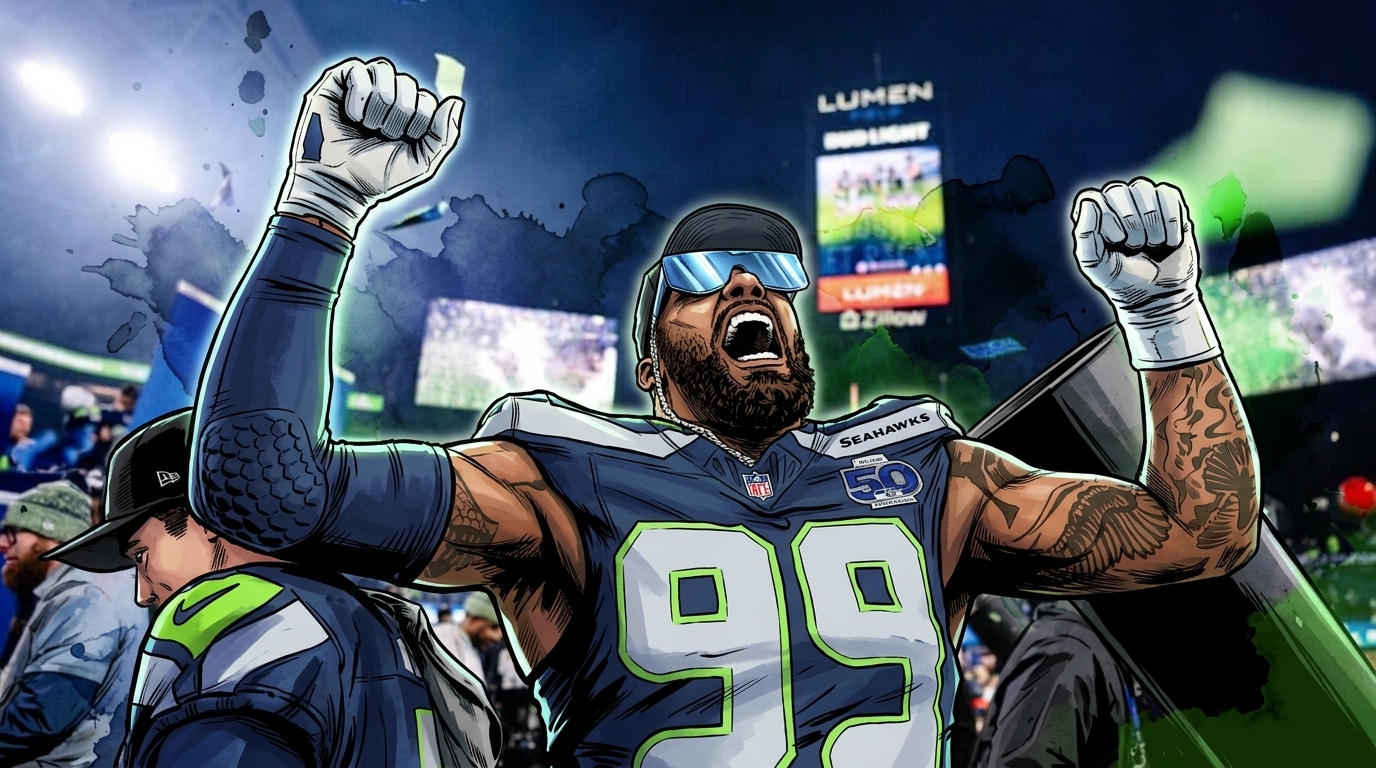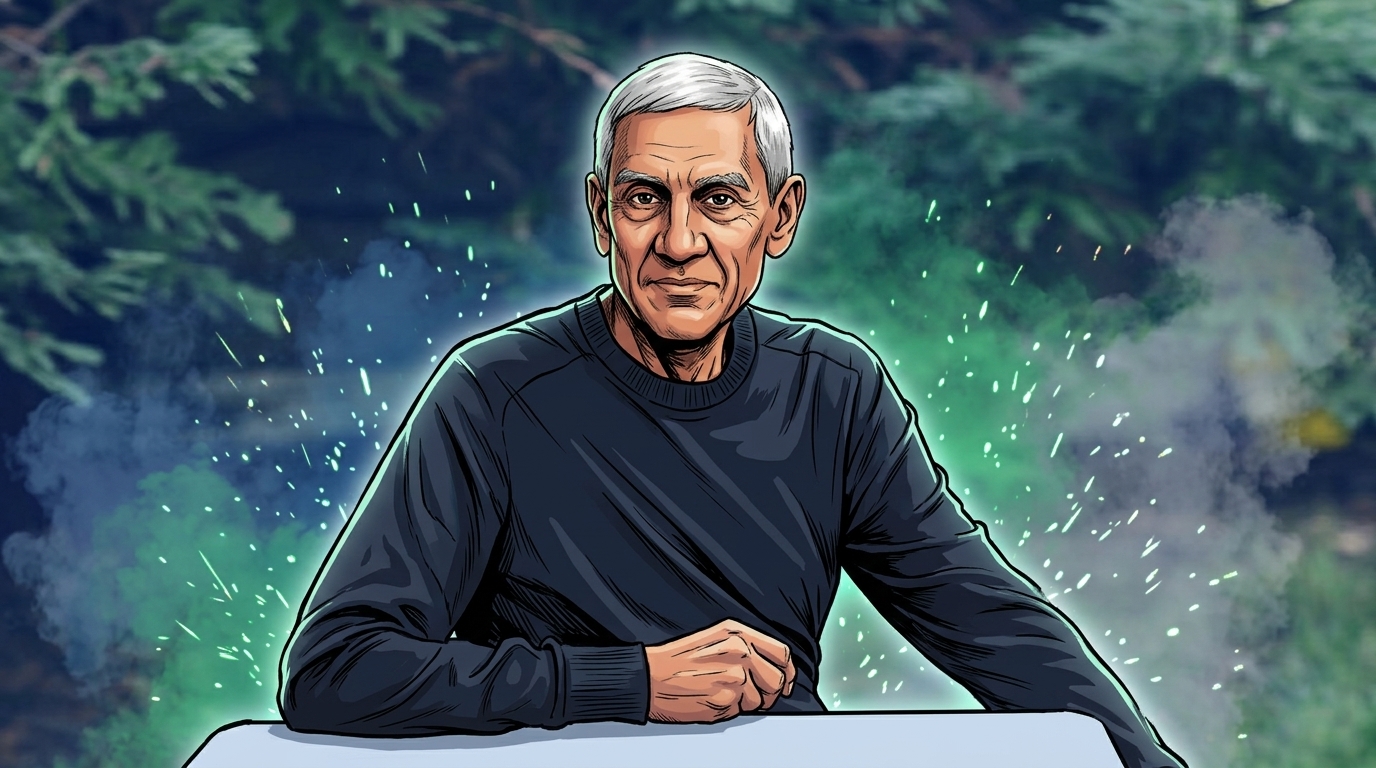

Here is what happened. In 1997, Washington State held a referendum. Fifty-point-eight percent of voters said yes to public financing for a new football stadium. The promise was simple: Paul Allen buys the Seahawks, keeps them in Seattle, gets a stadium partly built on public money. The public gets a team. Everyone wins.
Lumen Field cost roughly $430 million. The public put up $300 million of that: lottery proceeds, King County sales taxes, hotel taxes, deferred taxes, and parking revenues. The team’s entity, First & Goal Inc., contributed about $130 million. Bonds were issued in May 1999. They were fully retired by January 2021, paid off through the same taxes and lottery proceeds the public had been generating for two decades.
The bonds are paid. The stadium stands. And last week, the Khosla family agreed to buy the Seattle Seahawks for $9.612 billion — a new NFL record.
The public’s share of that number: zero.
I don’t want to hear about how the bonds got paid off. I know the bonds got paid off. That’s not the point. The point is that in 1997, Seattle-area taxpayers were asked to take on $300 million in risk so that a private asset could be anchored to their city. That asset has since appreciated roughly 16 times over. The appreciation goes entirely to the sellers. In this case, that’s the estate of Paul Allen. And now it flows to Vinod Khosla, a Silicon Valley venture capitalist worth $13.8 billion who, until recently, held a 3.1% stake in the San Francisco 49ers, the Seahawks’ division rival. He had to sell that stake to buy this team. Make of that what you will.
Here is what Khosla posted on X when the sale was announced:
https://x.com/vkhosla/status/2076082658707452357
“Excited to be part of this great franchise. Also excited to see the money all go to a non-profit.”
That’s a hell of a thing to write. The sale price was confirmed by Adam Schefter:
https://x.com/AdamSchefter/status/2076076850099483089
The money going to nonprofits is genuinely good. That was Paul Allen’s directive, and it’s the most decent part of this entire transaction. But I need you to understand what “the money going to a non-profit” means in this context. It means the Allen estate’s windfall goes to charitable causes rather than heirs. It does not mean Seattle gets anything. The $300 million in public risk, the $300 million in public bonds, the two decades of lottery dollars and sales taxes that retired those bonds — none of that entitles the public to one dollar of the $9.612 billion appreciation. The benevolent framing is doing a lot of work in that tweet. It’s the kind of thing you say when you want people to feel good about a transaction that was designed, structurally and legally, to exclude them.
There was, technically, a clawback mechanism. The sale restriction clause said that if the team sold within 25 years of the bond issuance (before May 2, 2024), 10 percent of the sale price would go back to the Public Stadium Authority. That window expired in May 2024. This sale closes in 2026. The math is not complicated.
The strongest counterargument is the one I already named: the public got what it paid for. The bonds were retired. The team stayed. Taxpayers got a Super Bowl champion. The Seahawks just won Super Bowl LX, 29-13 over the Patriots, behind Jaxon Smith-Njigba putting up one of the great wide receiver seasons in recent memory. Fifty-point-eight percent of Washington voters made a bet, and by the narrow terms of that bet, it paid out.
Fine. But that argument only works if you believe the public’s interest in this deal was purely civic (the intangible value of having a winning team) and that the financial upside was never theirs to claim. That is exactly what the NFL wants you to believe. It is exactly how every stadium deal in the last thirty years has been constructed: public absorbs the risk, private entity captures the gain, and when the asset is eventually sold at a grotesque multiple, the official story is that everyone got what they wanted.
The NFL has been running this play for decades. You can read the pattern across every franchise deal that’s landed this way. The public builds the box. Private capital fills it. Then private capital sells the box to other private capital at 16x and calls it a free market.
Vinod Khosla will be a fine owner. His wife Neeru will hold control. His son Neal runs an AI health company called Curai. They are, by all appearances, serious people who take football seriously. None of that is the point. The point is that the structure of this deal, like every deal before it, treats public investment as an amenity, not as equity. The city of Seattle will cheer for this team next season the same way it cheered last season. The bonds are paid. The stadium stands. And somewhere between now and August 26, when 24 of 32 NFL owners vote to approve this sale, someone will describe all of this as a win-win.
That’s the only thing the NFL is truly undefeated at: making the people who paid for the stadium feel lucky to have a seat inside it.