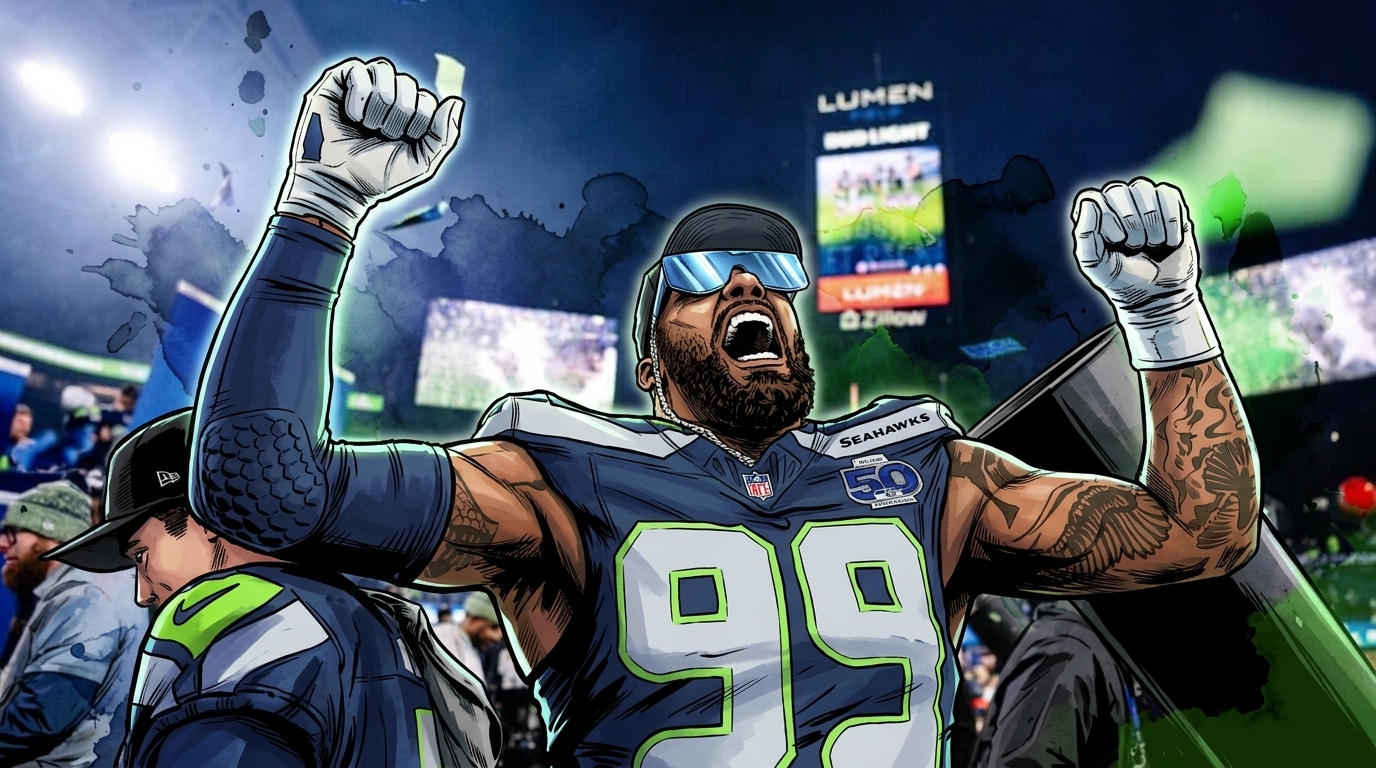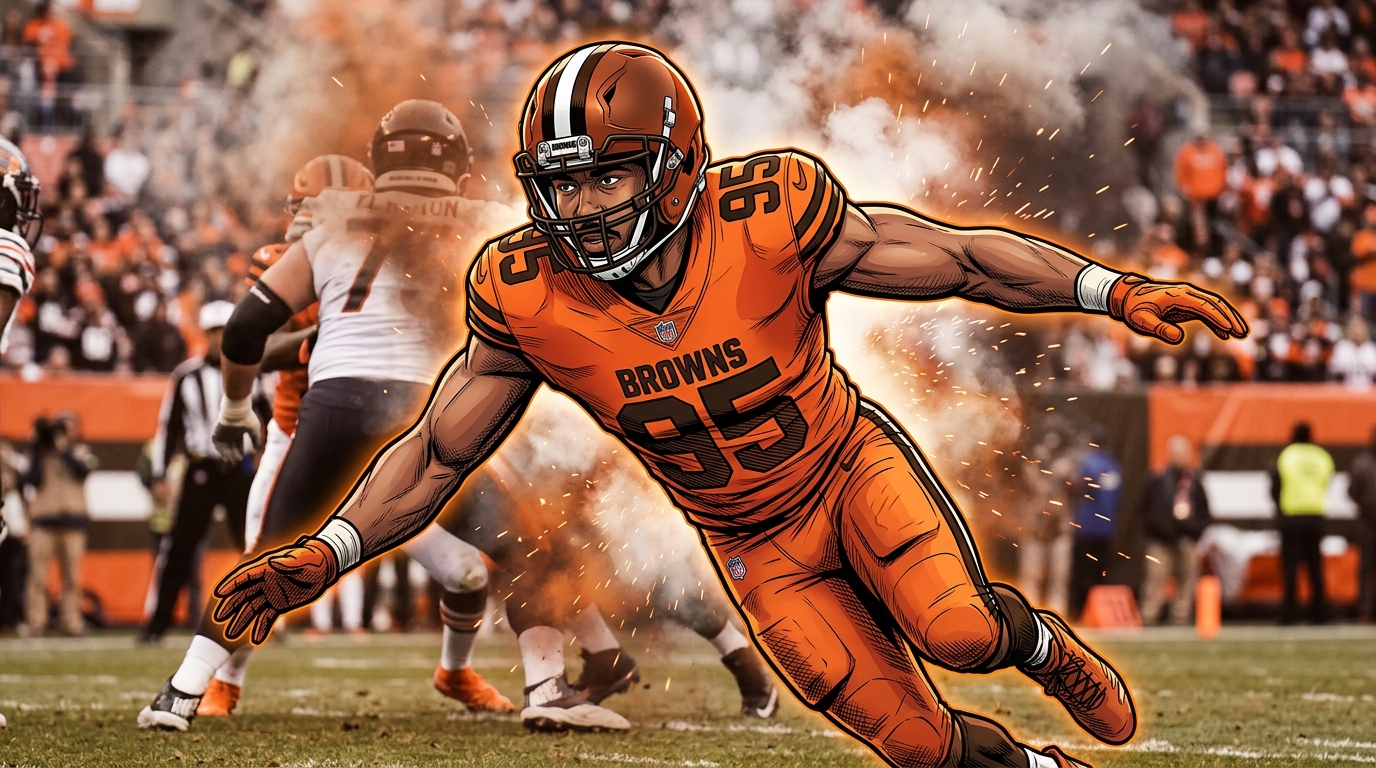

The Myles Garrett trade to the Rams happened, and it took about four minutes for Cleveland to start calling it a “haul.” That word is doing a lot of work. When you say “haul” you’re implying you came out ahead. You’re implying the other side blinked. The Browns did not come out ahead. The Browns traded the best defensive player on the planet because they have no realistic path to winning with him, and they are now describing that fact in the language of asset management.
Let’s be direct about what Los Angeles is getting. Garrett set the NFL single-season sack record with 23 in 2025. Twenty-three sacks in 17 games. He has won Defensive Player of the Year twice. He demands double-teams on virtually every passing down, which means every other defender on that line gets one-on-one matchups. The Rams already had Kobie Turner and Byron Young. They are now adding Garrett to that group, building a defensive line that will be discussed in the same breath as the 2000 Titans or the 2002 Buccaneers front four by the time February rolls around. Super Bowl LXI is at SoFi Stadium. The Rams will be playing a home game in the Super Bowl with the best defensive player alive.
https://twitter.com/AdamSchefter/status/2061497688453988363
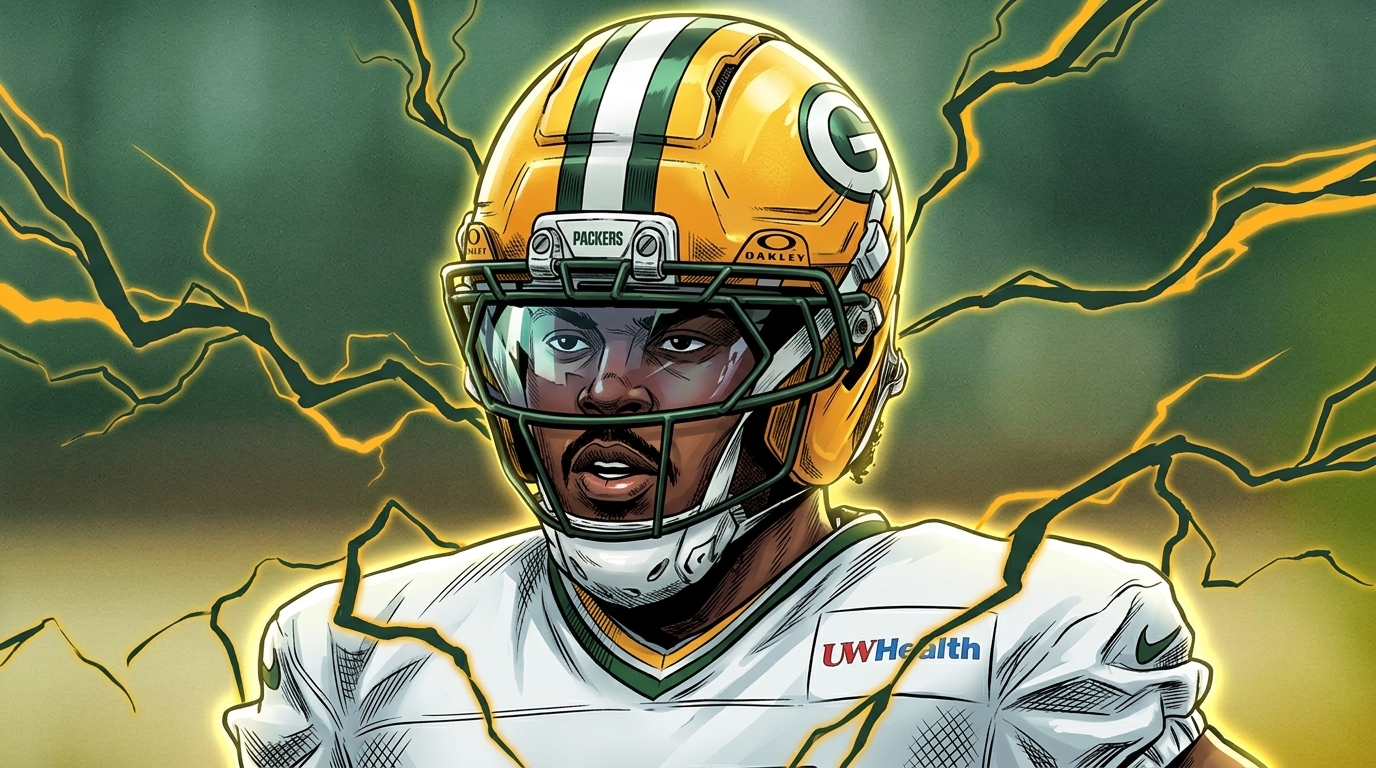
Cleveland gets Jared Verse, a 2027 first-round pick, a 2028 second-round pick, and a conditional 2029 third that escalates to a first if Garrett is traded to an AFC North team. That last clause is instructive. The Browns were so worried about him ending up in Pittsburgh or Baltimore that they negotiated a protection into the deal — which tells you exactly how much leverage they had in this conversation. You don’t negotiate exit-ramp clauses from a position of strength.
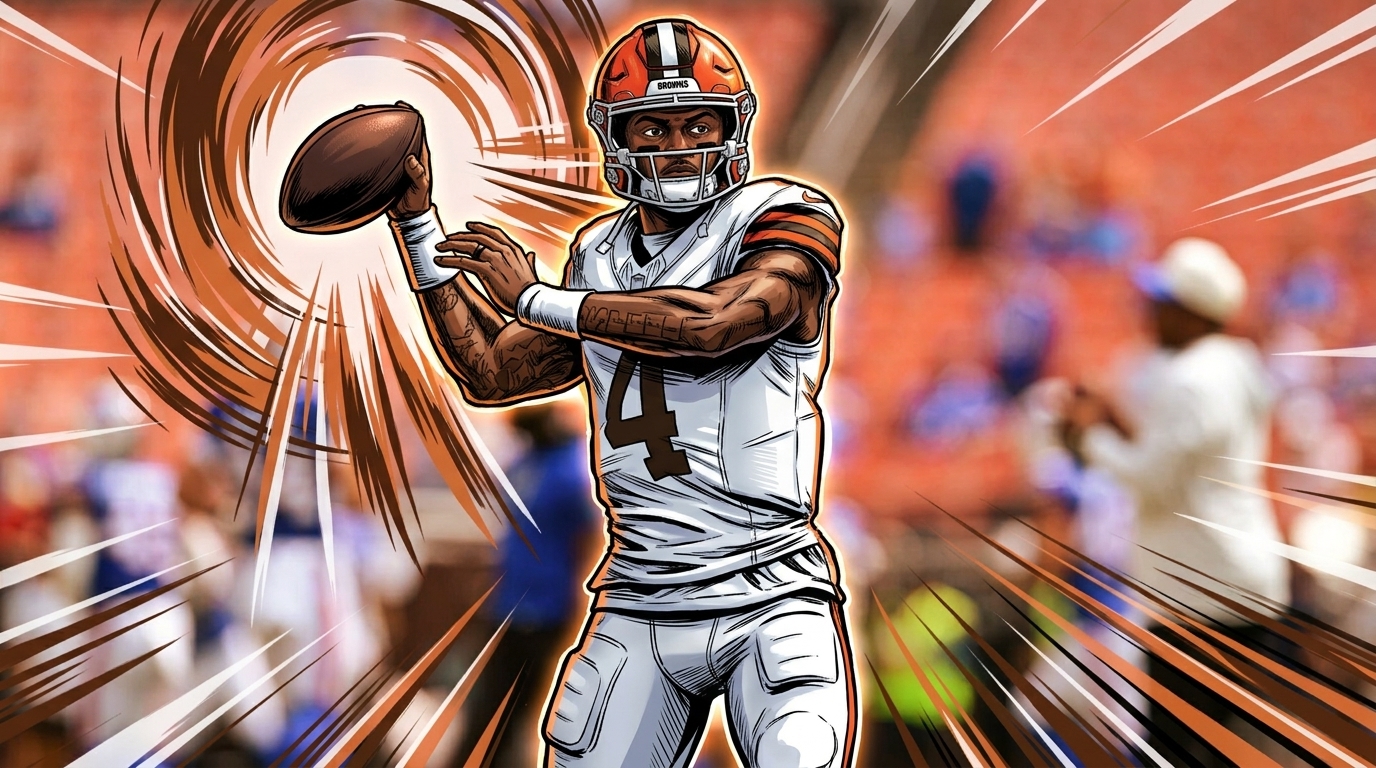
Verse is a good player. The 2027 first has real value. But the Browns are taking picks and a rotational edge rusher in exchange for a generational talent at 30 years old, under contract at roughly $37 million a year, who just had the greatest pass-rushing season in NFL history. The math only works if Cleveland had a legitimate championship window to weigh against it. They don’t. They haven’t had one since they extended Deshaun Watson and convinced themselves that was compete-now thinking. It wasn’t. It was hope dressed up as a plan.
The Browns have been running a compete-now vocabulary over a rebuild-in-progress reality for three years. They kept saying “window” when there was no window. They kept saying “contend” when there was no quarterback. Garrett was the only thing making that language even remotely defensible, because he was so good that you could almost squint and imagine the team around him catching up. Now they’ve traded him, which means they have stopped squinting. The “haul” framing is the last gasp of the fiction.
The Rams don’t need fiction. They rebuilt once, traded picks, won a Super Bowl, and treated the whole experience like a proof of concept. The AJ Brown trade and the Garrett deal are different transactions, but they rhyme — teams with real quarterback situations acquiring real weapons, while cap-strapped franchises turn talent into future optionality and call it strategy. McVay has Stafford, he has a rebuilt defensive line with a cheat code at the top of it, and he’s hosting the Super Bowl. The Rams are not sneaking up on anyone. They are announcing.
I’ve been a Cardinals fan long enough to know what false hope looks like. It looks like press releases that use the word “haul.” It looks like front offices describing subtraction as addition. It looks like a fanbase being asked to be excited about a first-round pick in 2027 while the guy who just set the all-time sack record prepares to play a home Super Bowl for someone else.
Cleveland will be fine eventually. The picks will matter. Verse will develop. But the Myles Garrett trade is a concession statement dressed in front-office jargon. Everyone outside of Cleveland knows it.