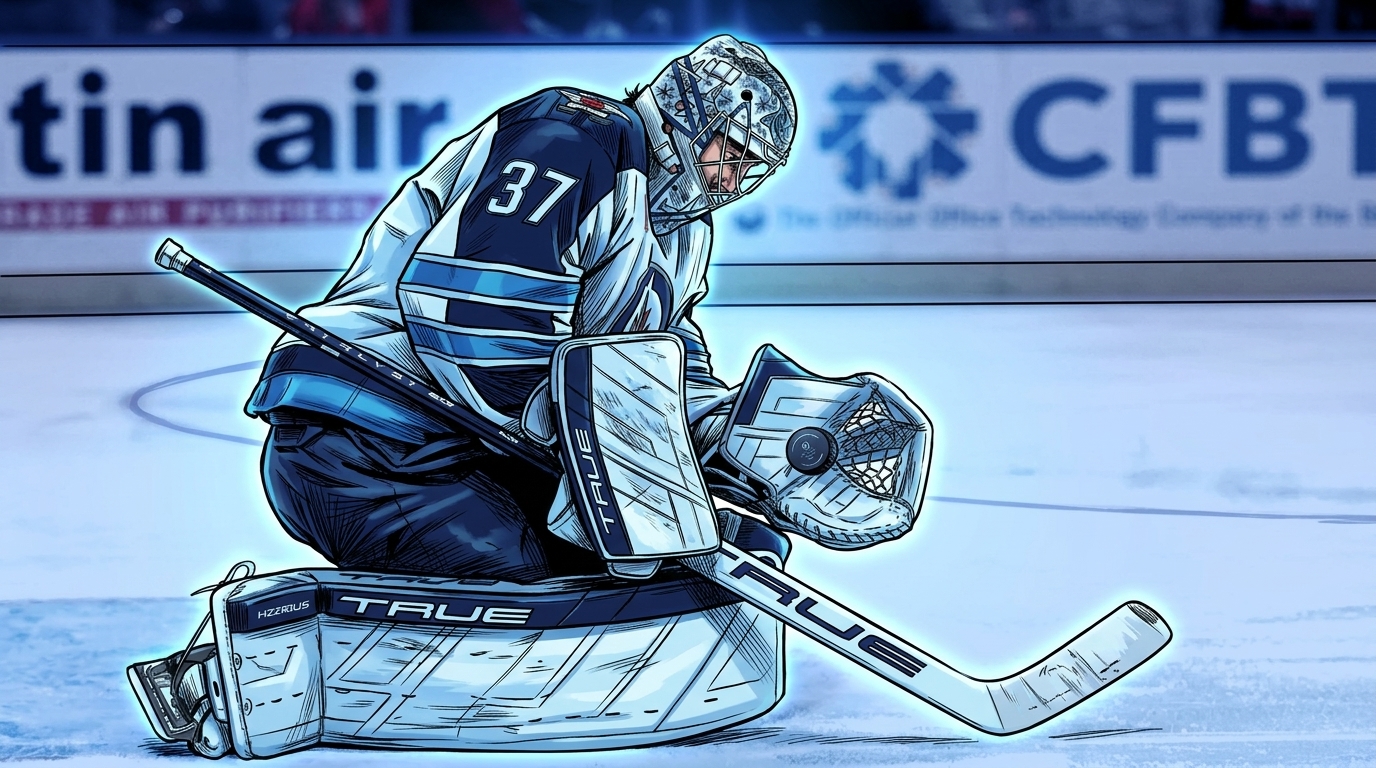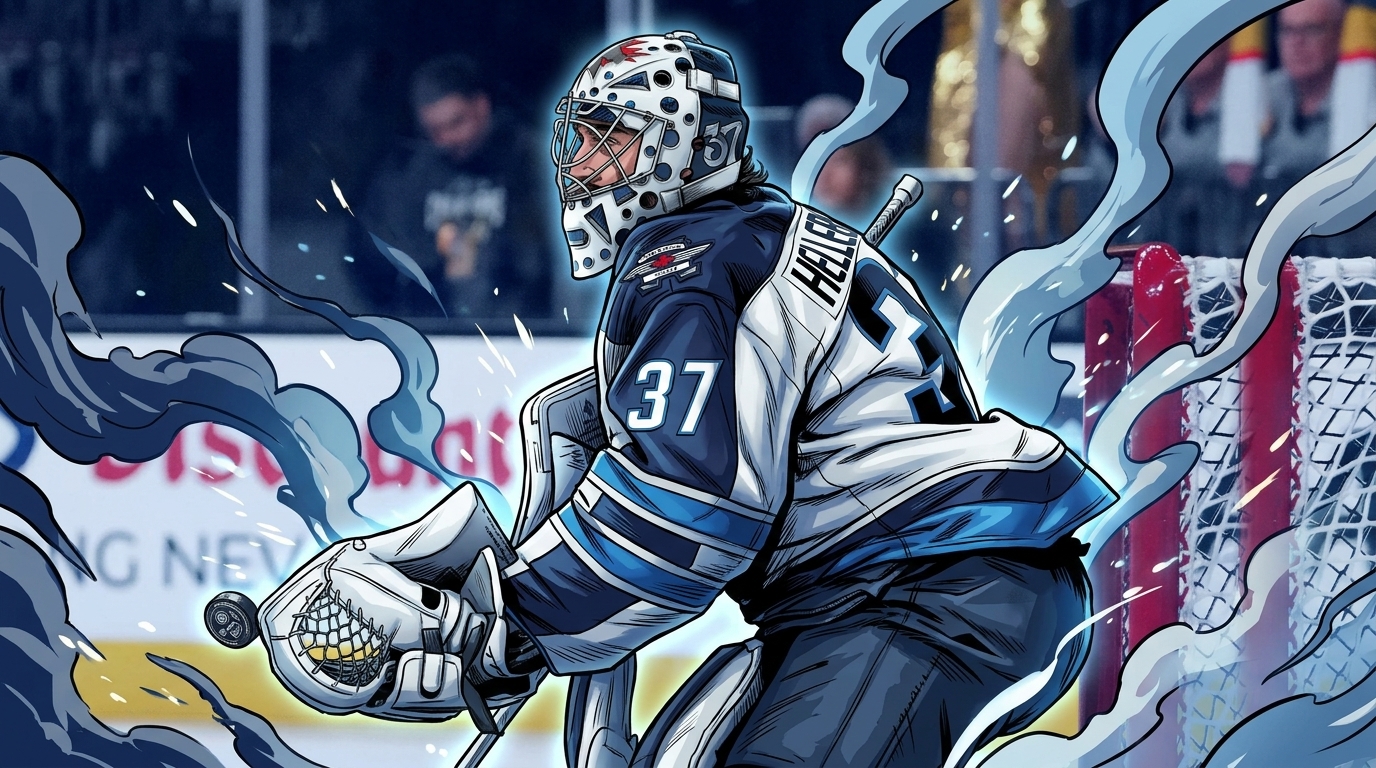

We’ve been watching the Chicago Blackhawks rebuild for three years now — the tank, the picks, the patient press conferences. It always carried the faint, unconvincing energy of a team that hadn’t quite decided what it wanted to be yet. That changed on June 23. Trading the fourth overall pick for Bowen Byram and then locking him up at $12.5M AAV for six years isn’t a front-office flex. It’s a declaration: the Bedard era has a shape now, and Chicago intends to win inside it.
https://x.com/NHLBlackhawks/status/2072391150447542586
The Blackhawks gave up the 4th pick, the 45th pick, and defenseman Louis Crevier. In return, they got Byram and forward Jordan Greenway. That’s a real price — not ruinous, but real. And the extension they handed Byram immediately after, $75M over six seasons starting in 2027-28, is the highest signed AAV for a defenseman in NHL history, edging out Erik Karlsson’s $11.5M. Kyle Davidson, not typically given to hyperbole, called Byram “a really, really good young player.” That’s GM-speak for: we believe in this one.
What Does Byram at $12.5M Actually Mean for the Cap?
The math here is uncomfortable and Kyle Davidson knows it. Byram at $12.5M, Bedard’s projected extension at $14-16M per David Pagnotta of The Fourth Period, with the qualifying offer already issued, and you’re looking at roughly 25-30% of the cap committed to two players before you fill out a lineup. Frank Nazar is already at $6.59M. These numbers don’t leave a lot of room to surround a franchise center with the kind of supporting cast that actually wins a Cup.
But here’s the relevant context: Cale Makar is in the final year of his $9M deal and is widely expected to re-sign this summer at something in the $18-20M range. If that happens, Byram’s “record” disappears before the ink is fully dry, which tells you something about where the market for elite defensemen is heading. Chicago isn’t overpaying for the current market. They may be buying at the right price for 2027.
https://x.com/PierreVLeBrun/status/2072289348758728868
Byram earned this. In 82 games with the Buffalo Sabres last season, he put up 42 points (11 goals, 31 assists), a career high, with a +15 rating and 22:20 of average ice time. He was the first Sabres defenseman to score in three consecutive playoff games since Ken Sutton in 1993, a fact that sounds obscure until you realize it reflects sustained impact under pressure, not a fluke hot week. I think that playoff performance is what pushed Davidson over the line. Regular-season numbers are easy to contextualize away. Four goals and seven points in 13 playoff games, on a team that wasn’t supposed to be there, is harder to dismiss.
Is This the Seth Jones Problem All Over Again?
The comparison will follow this deal for years, so let’s meet it directly. In 2021, Chicago signed Seth Jones to an eight-year, $9.5M AAV extension (at the time a defenseman record), and it became a cautionary tale almost immediately. Jones struggled to justify the investment in Chicago, and the contract became an anchor.
Byram’s camp would push back on several points. He’s 25, not 27. He was acquired via trade, not free agency: the Blackhawks extracted him from a situation (Buffalo, unlikely to contend soon) rather than bidding against the market in open competition. His skating profile is different from Jones; the analytics community has long been warmer on Byram’s two-way impact than his raw point totals suggested. And he’s a Cup winner: he was part of the 2022 Colorado Avalanche championship run, which means he’s played meaningful hockey in a winning structure.
Those distinctions are real. They don’t make the contract risk-free. A 25-year-old defenseman who has never cracked 50 points in a regular season is now the highest-paid blueliner in the sport. That’s the bet Chicago made, and they made it with open eyes.
https://x.com/DarrenDreger/status/2072287916986970530
What to Watch Next: Bedard’s Extension
The Byram signing doesn’t exist in isolation — it’s the opening move in a negotiating sequence that ends with Connor Bedard. By locking in Byram first, Davidson has signaled both the direction and the ambition of this rebuild. Bedard, who posted 30 goals and 75 points in 69 games last season at 21, is going to sign an extension that will probably land somewhere between $14M and $16M. The Blackhawks just told him, and the league, that they’re building around him, not waiting on him.
For more on how Chicago’s moves fit into the broader summer landscape, follow our NHL coverage as the Bedard extension situation develops.
The verdict here is straightforward, even if the execution carries risk: this is the right strategic move for Chicago. Three years of rebuilding was always going to end with a commitment. You can’t draft your way to a championship without eventually paying for the pieces you want to keep. Signing Byram at record money signals that the Blackhawks are done treating their best assets as tradeable futures. They’re building a team around Bedard, not a prospect pool beside him. If Byram’s playoff form carries over, if the two-way game holds at 22-plus minutes a night, if the cap situation gets managed without gutting the middle of the roster: this looks like a decade-defining partnership. If none of that holds, it’s a $75M reminder that patience and impatience have almost the same price tag in professional hockey. The NHL has seen both outcomes. Chicago is betting it knows which one this is.