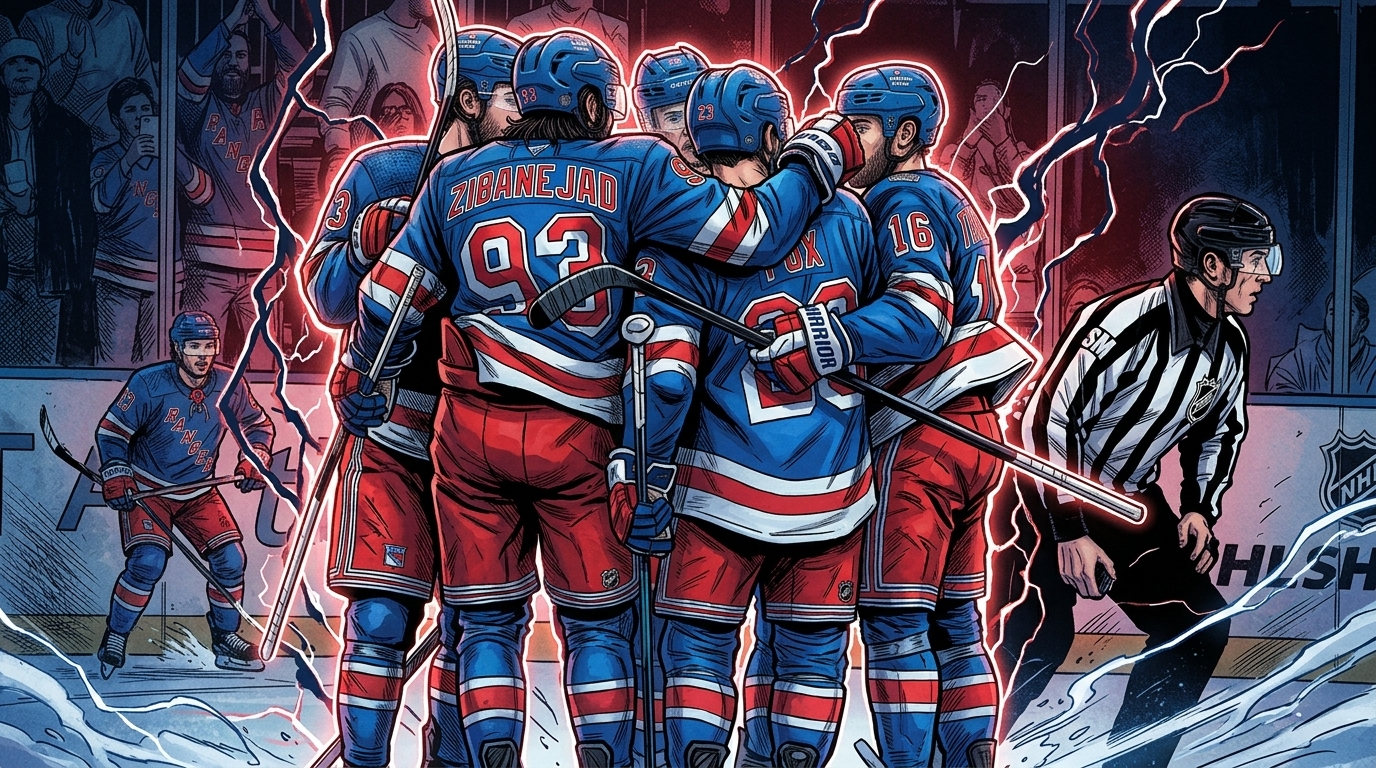
The NHL playoff bracket is set, and the preview industry is doing what it always does: lavishing attention on the matchups with the biggest names, the loudest fanbases, and the most compelling regular-season narratives. That’s fine. Those series will be fun. But the series that’s going to deliver the most actual hockey drama is the one buried at the bottom of the preview page, the one your coworker who “doesn’t really follow hockey” won’t ask you about.
That’s the series you should be watching.
Why the Marquee Matchups Are Overrated
Every year, the hockey world convinces itself that the first round is going to play out like the seedings suggest. The Presidents’ Trophy winner will cruise. The eight-seed will put up a noble fight before bowing out in five. The rivalry matchup will be heated but ultimately decided by the team with more talent.
And every year, the first round laughs at these predictions and delivers chaos. Since 2015, a lower seed has won at least two first-round series in every single postseason. The regular season is an 82-game audition; the playoffs are an entirely different show.
The reason is structural: playoff hockey compresses the ice, both literally (the neutral zone disappears when every shift matters) and figuratively (the margin between a dominant team and a desperate one shrinks to almost nothing when the stakes go up). Talent still matters, but effort, structure, and goaltending matter more.
What Makes This Series Different
Without naming the specific teams — because by the time you read this, the matchup will be obvious — here’s what you’re looking for: a series where both goaltenders are capable of stealing games, where neither team relies on a single line, and where the coaching matchup favors the underdog.
That combination produces long series. Long series produce legendary moments. And legendary moments are why we watch playoff hockey in the first place.
The Goaltending X-Factor
Playoff hockey has always been a goaltender’s sport, but the gap between “good regular season goaltending” and “transcendent playoff goaltending” is wider than people realize. A hot goaltender doesn’t just win games — he changes the entire psychology of a series. When the other team knows that their Grade-A chances are getting swallowed, they start pressing, which leads to turnovers, which leads to odd-man rushes the other way.
The series I’m pointing you toward has two goalies who are both capable of that kind of run. That’s rare, and it’s what makes the matchup appointment television.
How to Watch
Clear your schedule for Games 3 and 4. The first two games will be feeling-out processes — tight, low-scoring, and slightly boring in the way that good defensive hockey often is. By Game 3, the adjustments kick in, the intensity ratchets up, and the real series begins.
Bring snacks. You’re going to be on the couch for a while.